Month: November 2025

Ready-mix Cement Plant

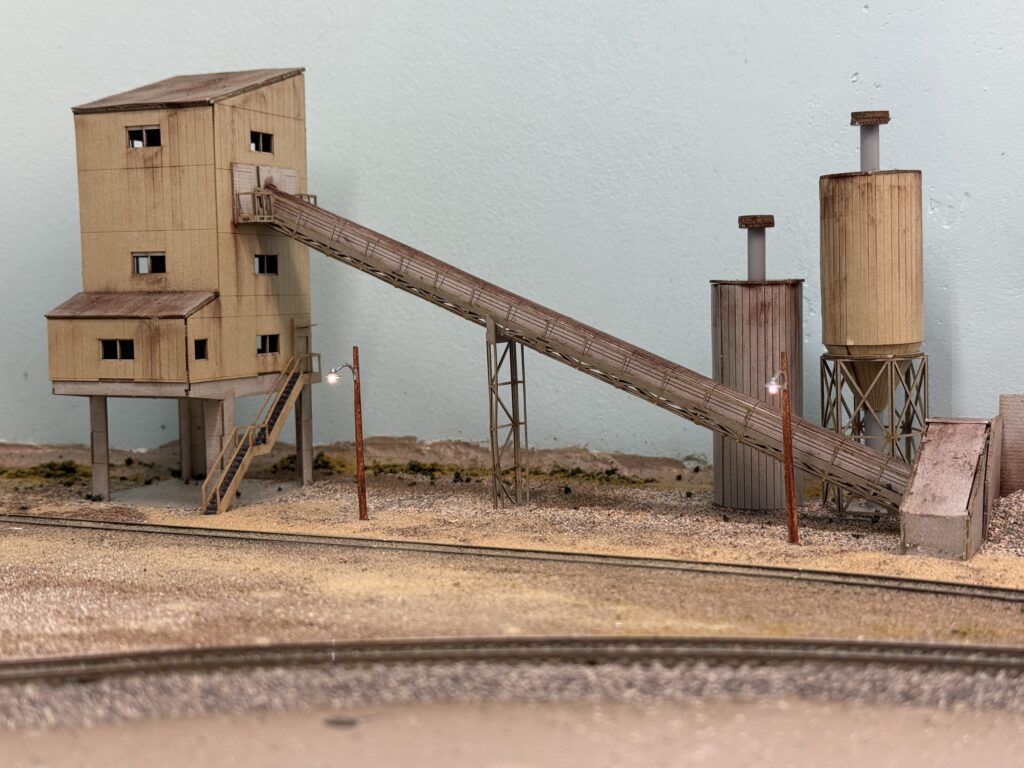
After installing the bridge, I placed the ConRock Ready-Mix Cement Plant

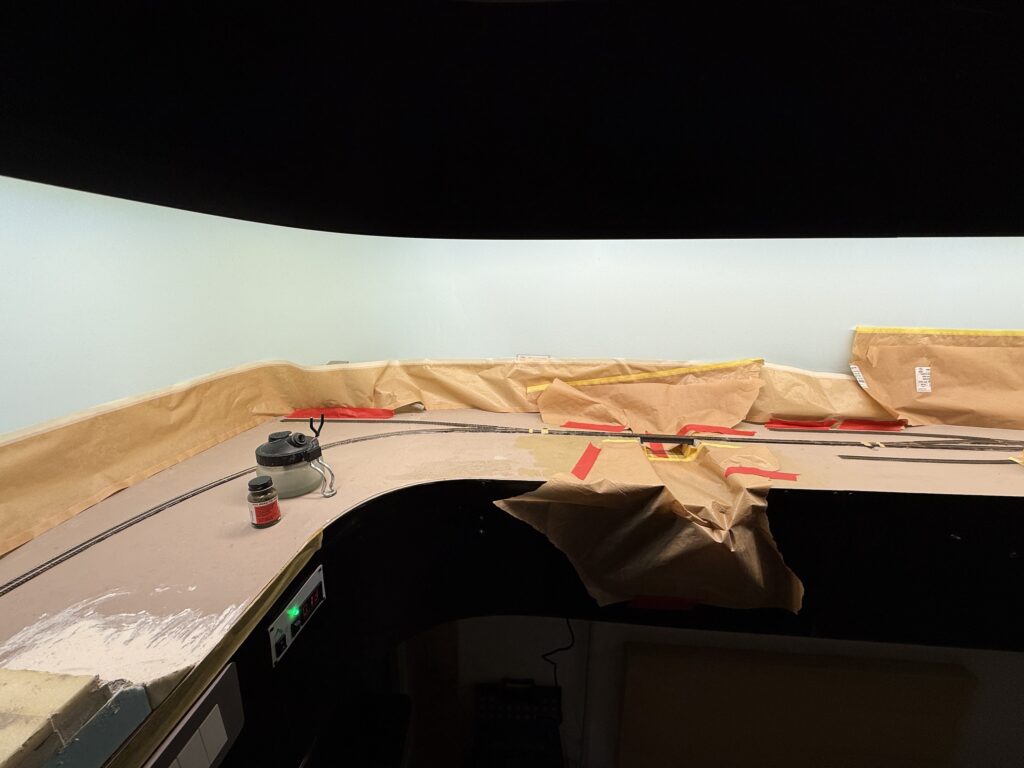
The layout corner where the ConRock Ready-Mix Cement Plant is located will be the first area to receive scenery.

I added rough terrain texture near the bridge and ballasted the first section of track. To protect the bridge scene, I laid a couple of towels over the riverbed.
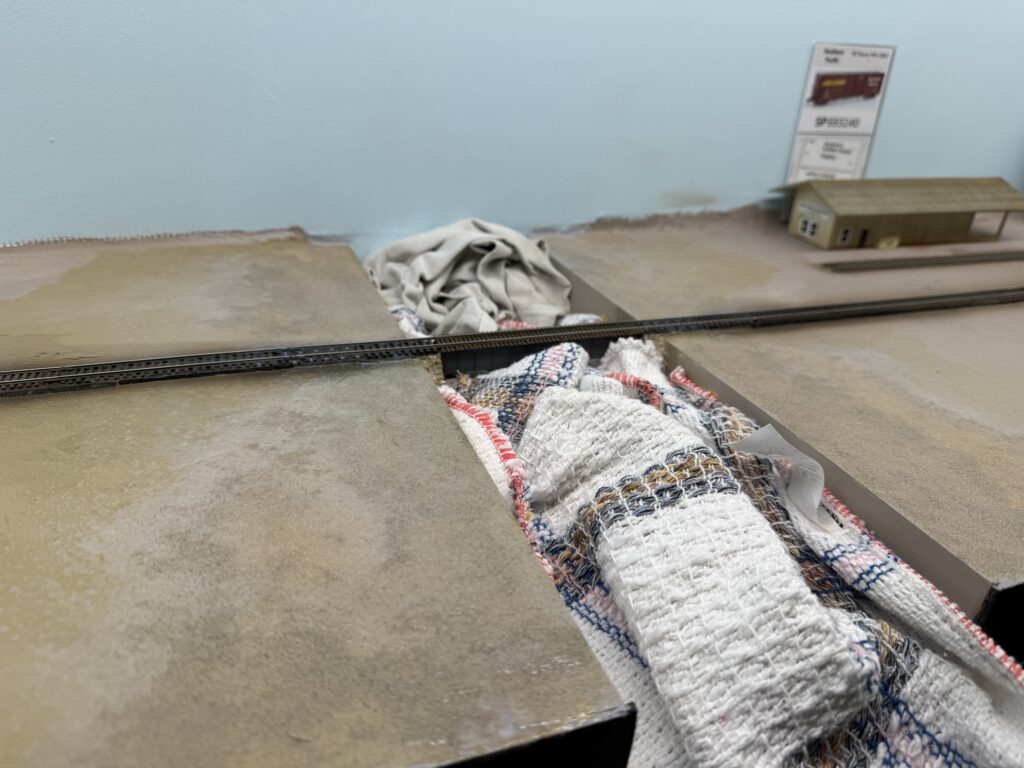
Terrain texture

Then, I installed the cement plant structure. The building is a Japanese laser-cut paper kit that fits my needs perfectly.
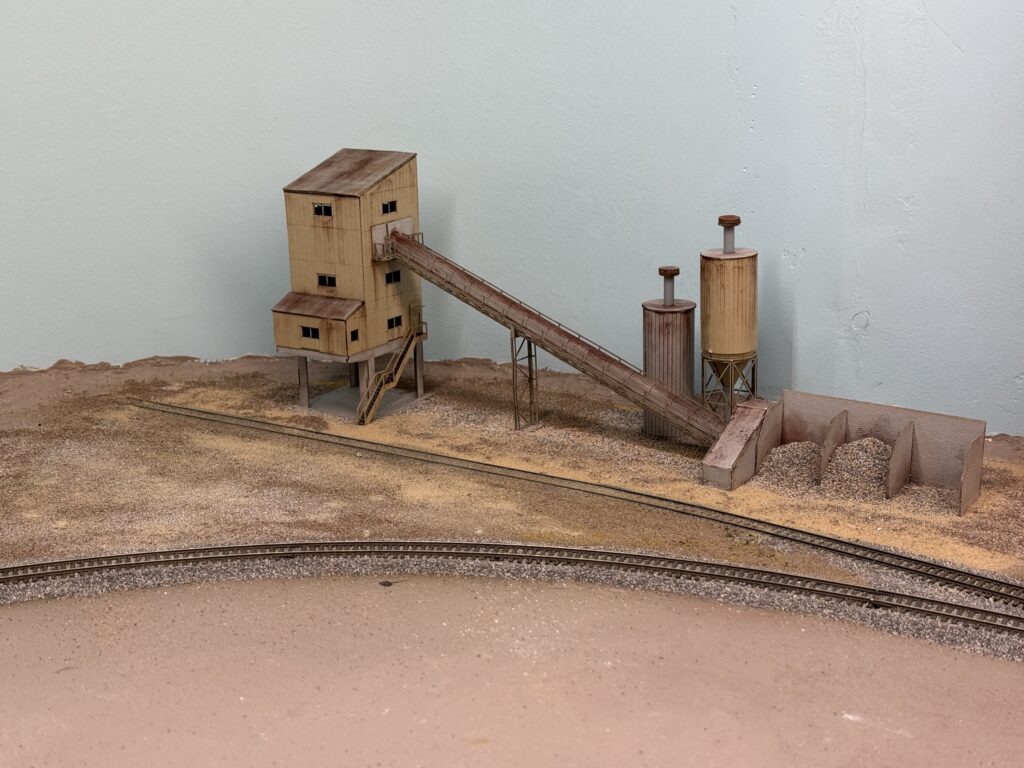
Advance laser-cut paper kit of a ready-mix cement plant

The kit is made by a Japanese brand called Advance. It is a 1:150 scale model, but it still looks very good and fits the scene nicely.
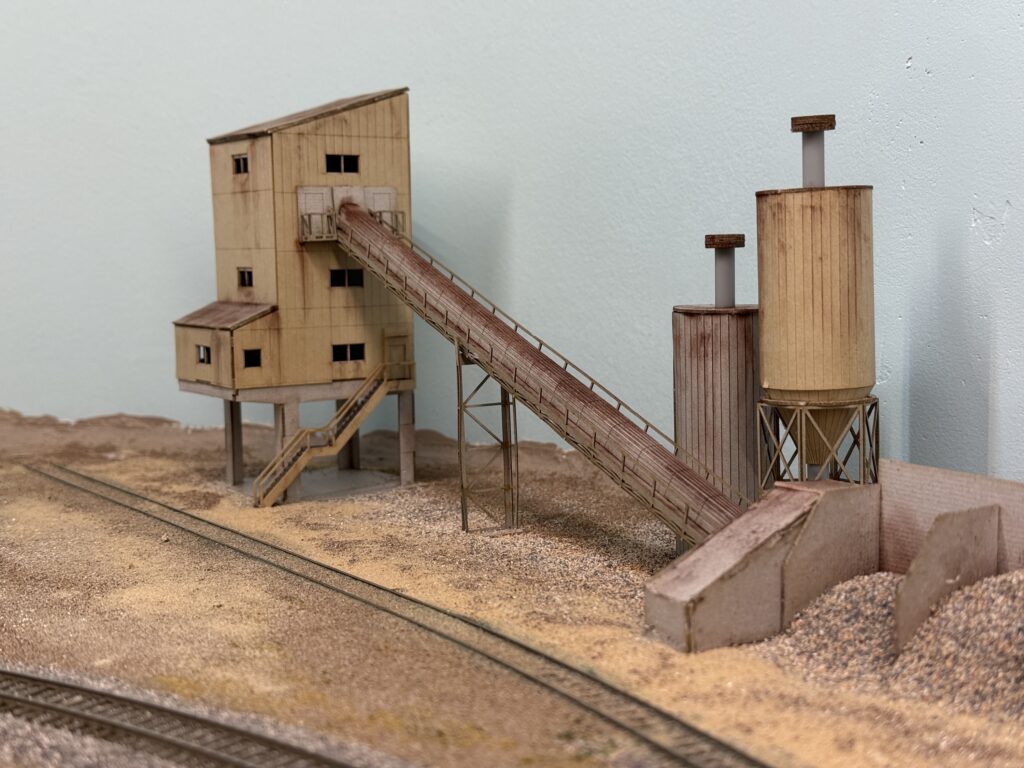
Ready-mix cement plant

I first sprayed a 50:50 mix of alcohol and water to reduce surface tension. Then, I sprinkled on some terrain powders and followed up with a 50:50 mix of matte medium and water.

The kit was weathered with powdered pigments, and the surrounding terrain was glued in place using Liquitex Matte Medium.

Before securing the structure to a sheet of styrene, which was later glued to the plywood base, I installed a micro LED to illuminate the scene at night. I secured the LED with CA glue and poked a hole in the structure base to run the wires through.
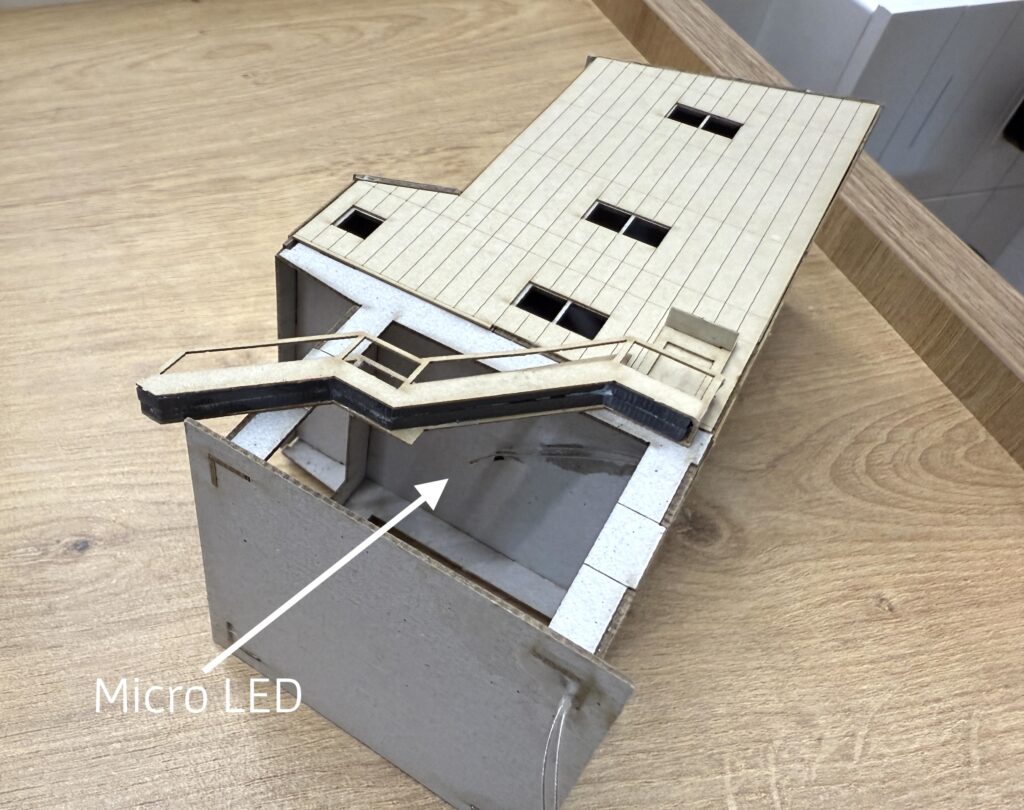
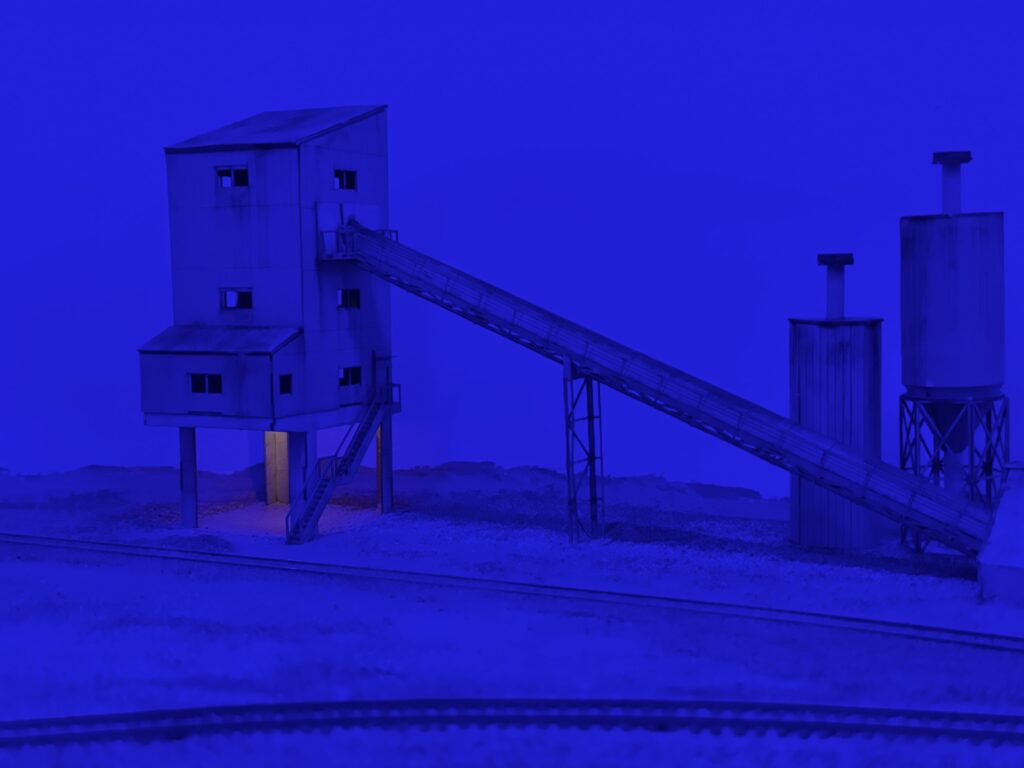
Micro LED installed
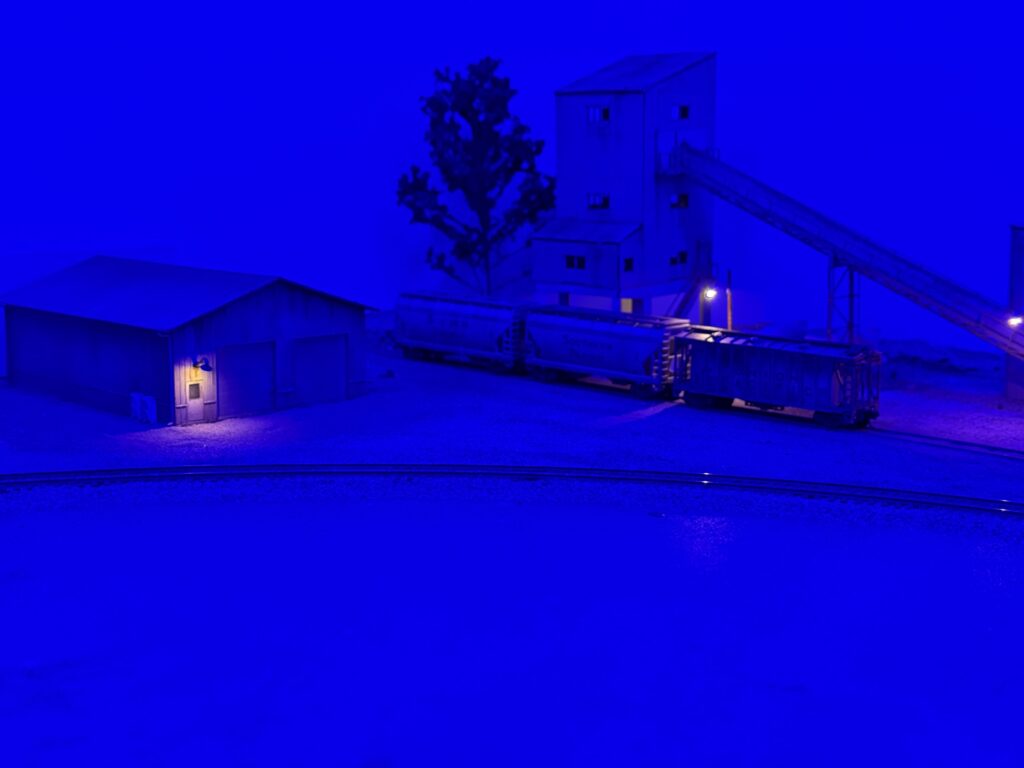
Ready-mix cement plant at night

Adding Details

The cement plant is finally in place and it feels like the scene has gained real character. Next I will focus on adding life around it, because the area still looks a bit empty.

I added a couple of Woodland Scenics wooden streetlights. I drilled two holes, passed the wires through them, and glued the streetlights in place with matte medium. While the glue dried, I used some metal machine blocks to keep the poles in their final position.
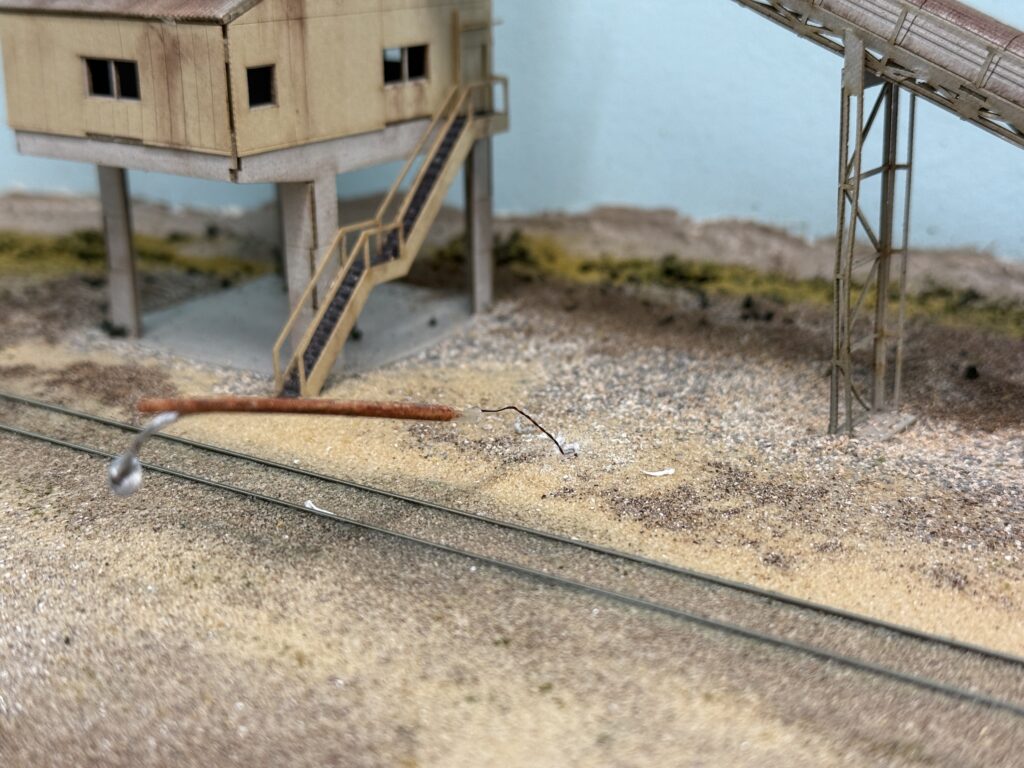
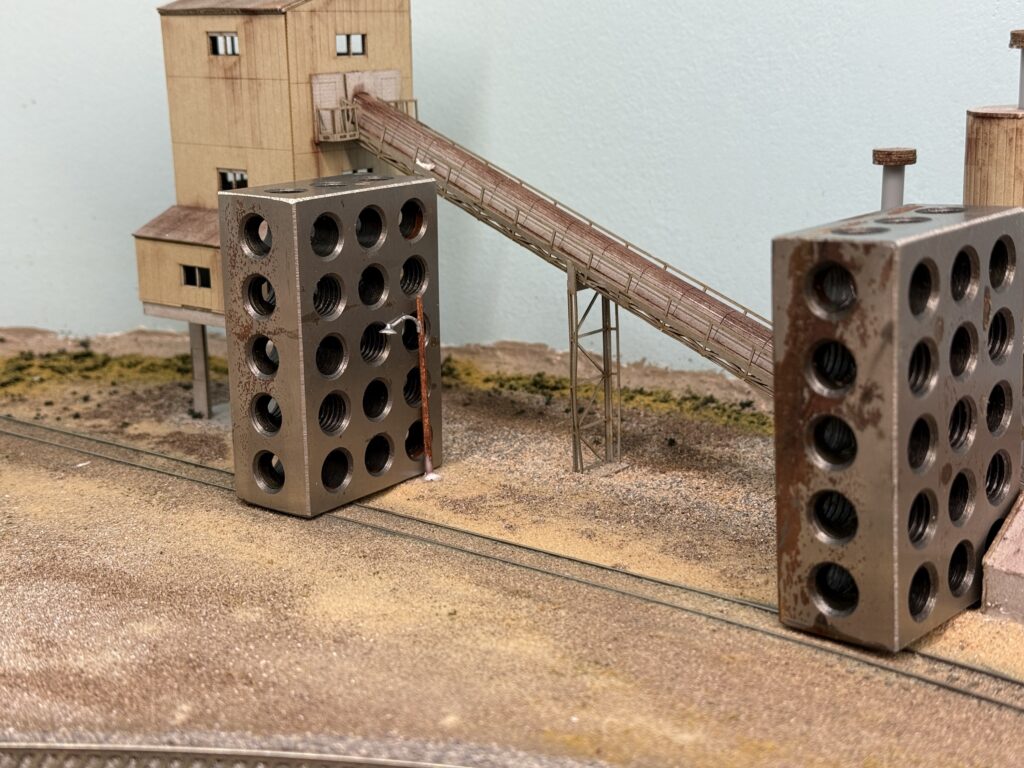
Installing wooden streetlights
Streetlights glued in place
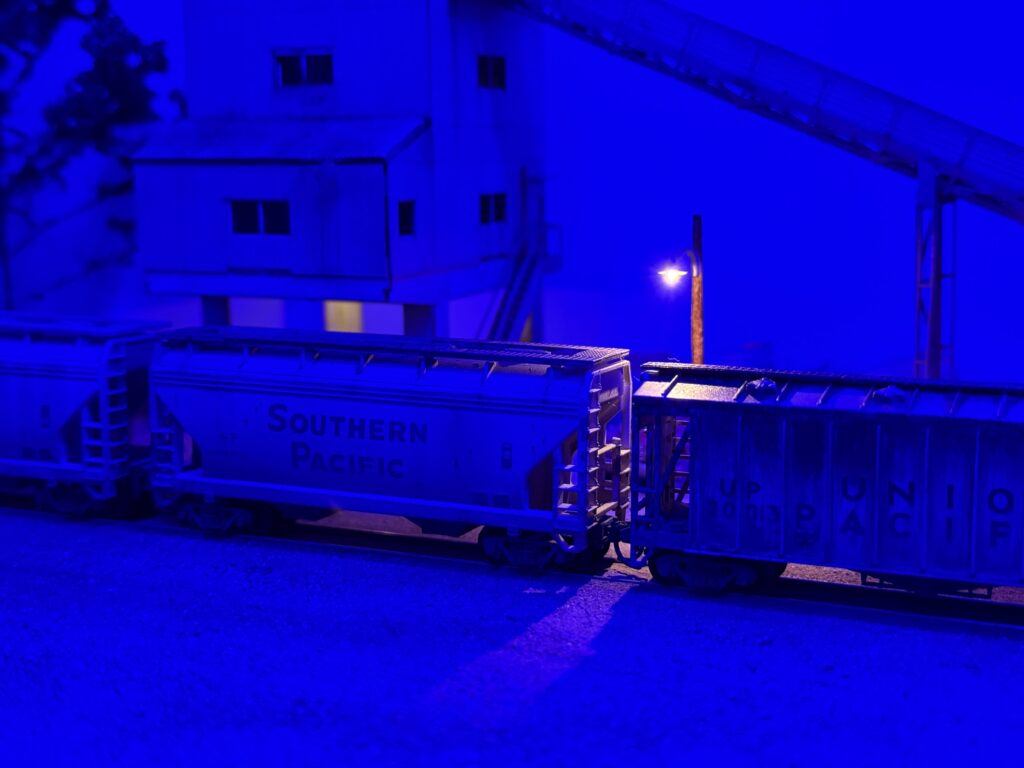
Night scene with lights
Rsady-mix cement plant

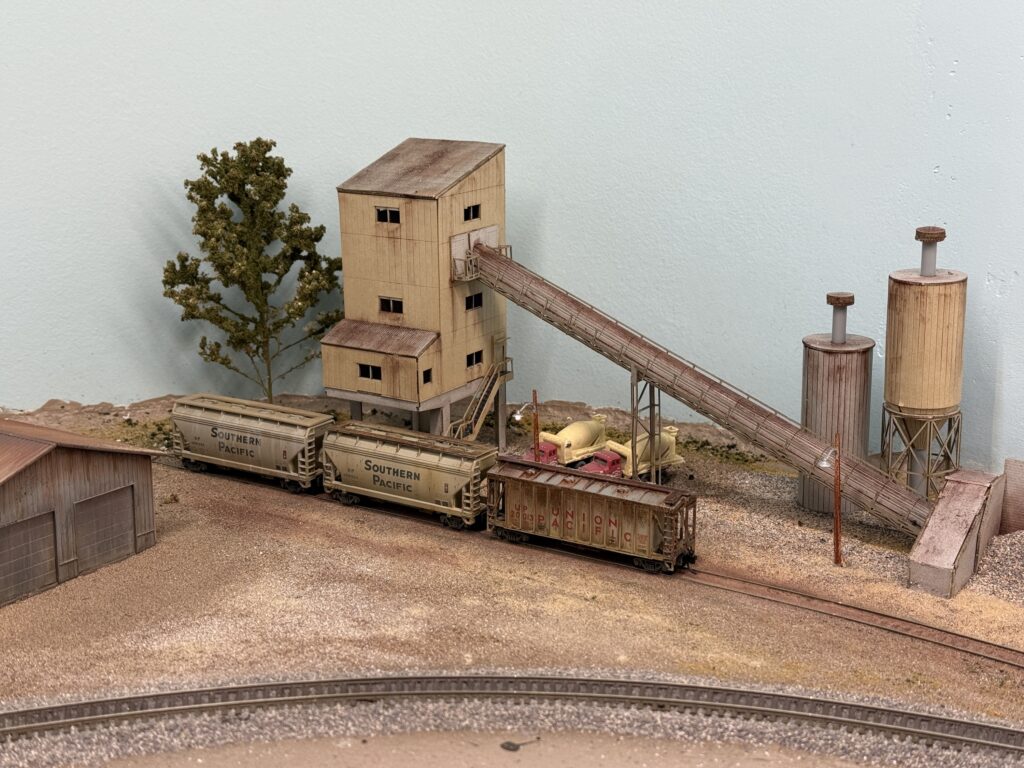
Afterwards I positioned a couple of concrete mixer trucks near the loading spots and added a tree.
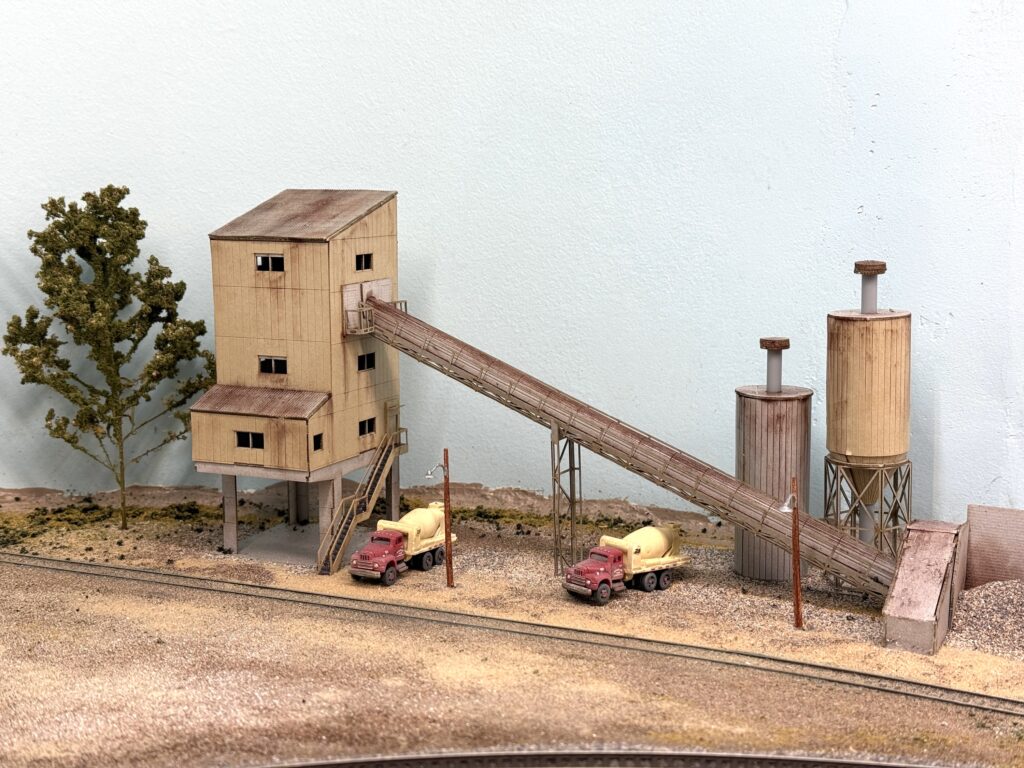
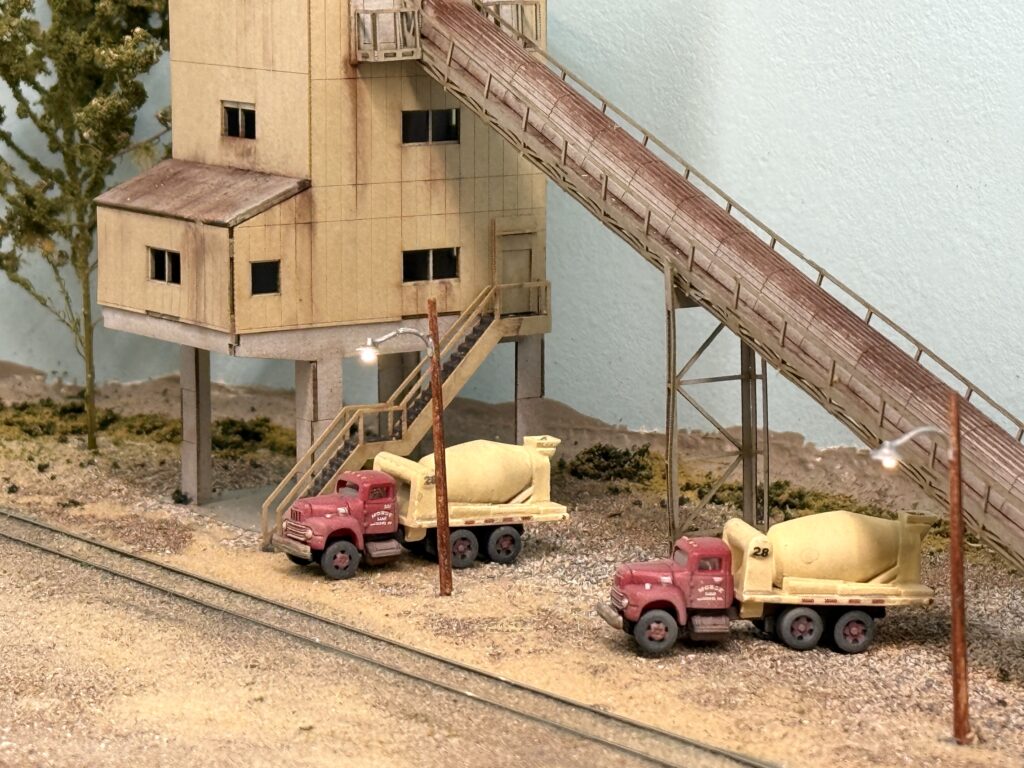
Ready-mix cement plant
Concrete mixer trucks
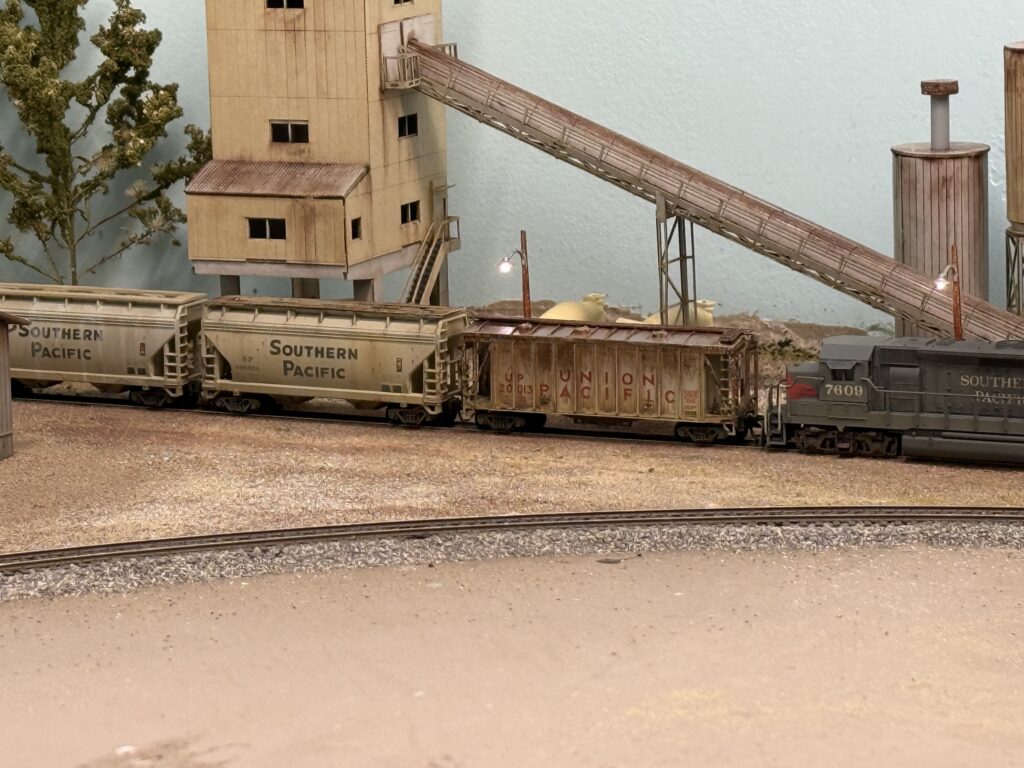
Ready-mix cement plan overview
ConRock Ready-mix cement plan night scene
Night scene
Covered hoppers

Once more vegetation is set, I will install a metal fence to frame the whole structure. So the scene will grow step by step and the finished area should blend nicely with the rest of the layout.
Track Ballast

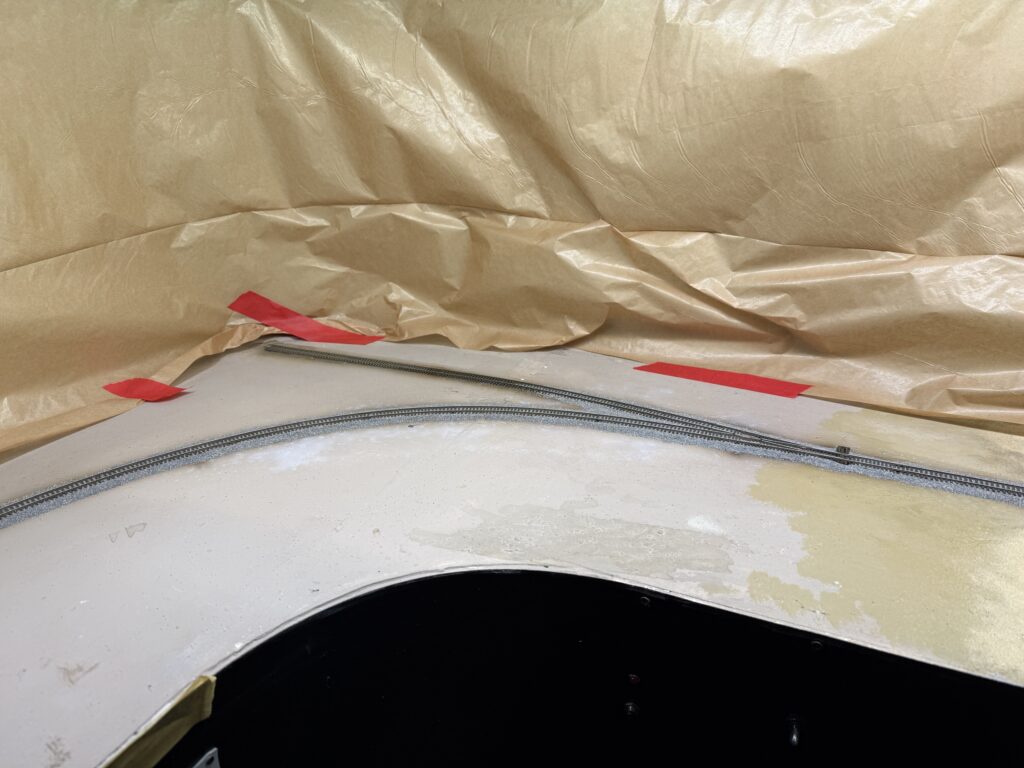
Adding track ballast to the Burbank Branch in N scale

Adding track ballast is one of my favorite parts of the process. It is the stage when a model railroad truly starts to take shape and look real, like when I painted the track.

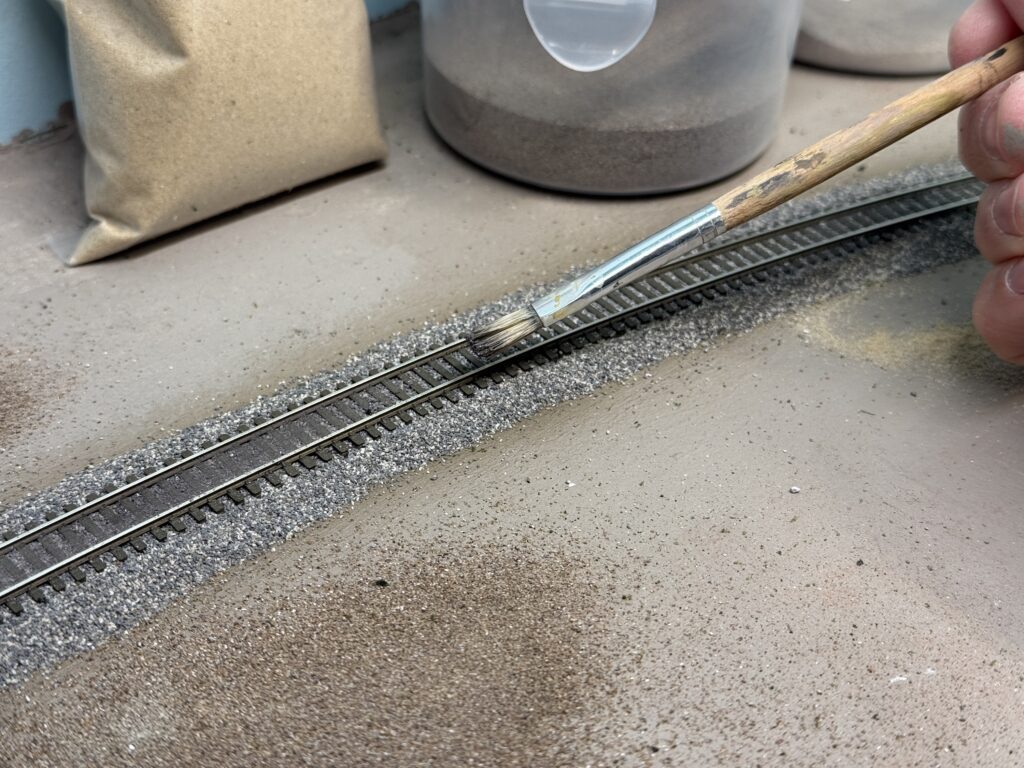
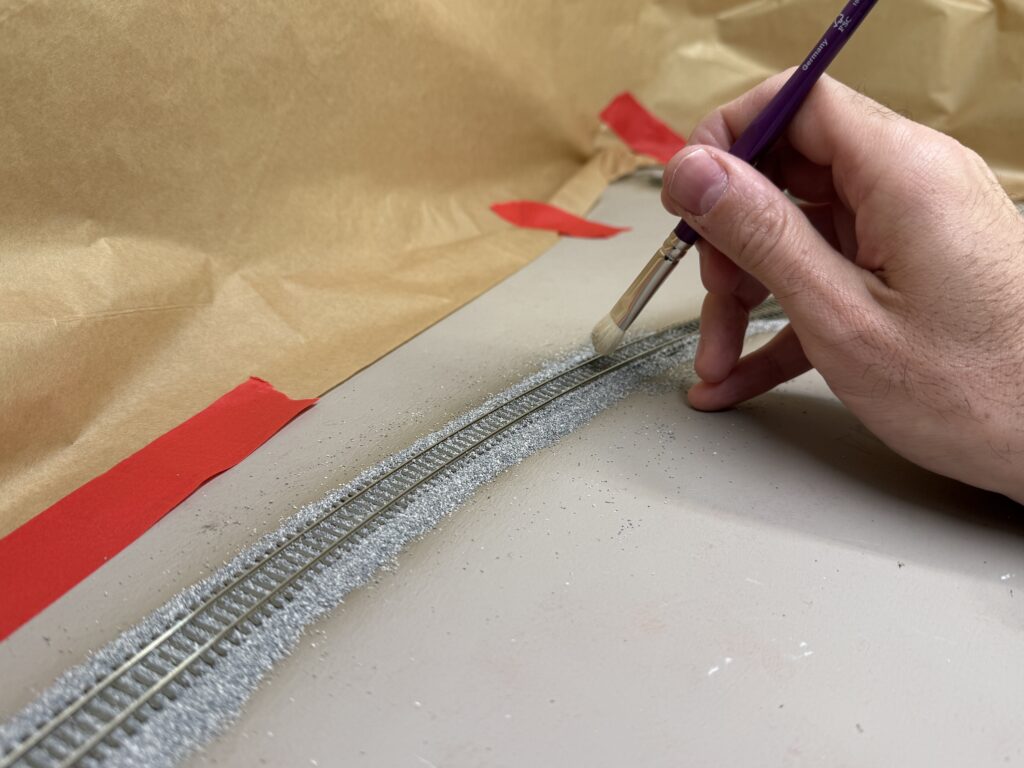
Afterwards, I used Woodland Scenics fine ballast as I usually do. This time I mixed equal parts of Gray (B1375) and Light Gray (B1374). I spread the ballast with a spoon, then shaped it carefully with my index finger and a soft paintbrush.

Track ballast

After that, I made sure no ballast remained on the ties or along the rail sides. I also payed special attention to the turnouts, usually avoiding the points area altogether.

With some careful painting, it is easy to disguise the missing ballast.

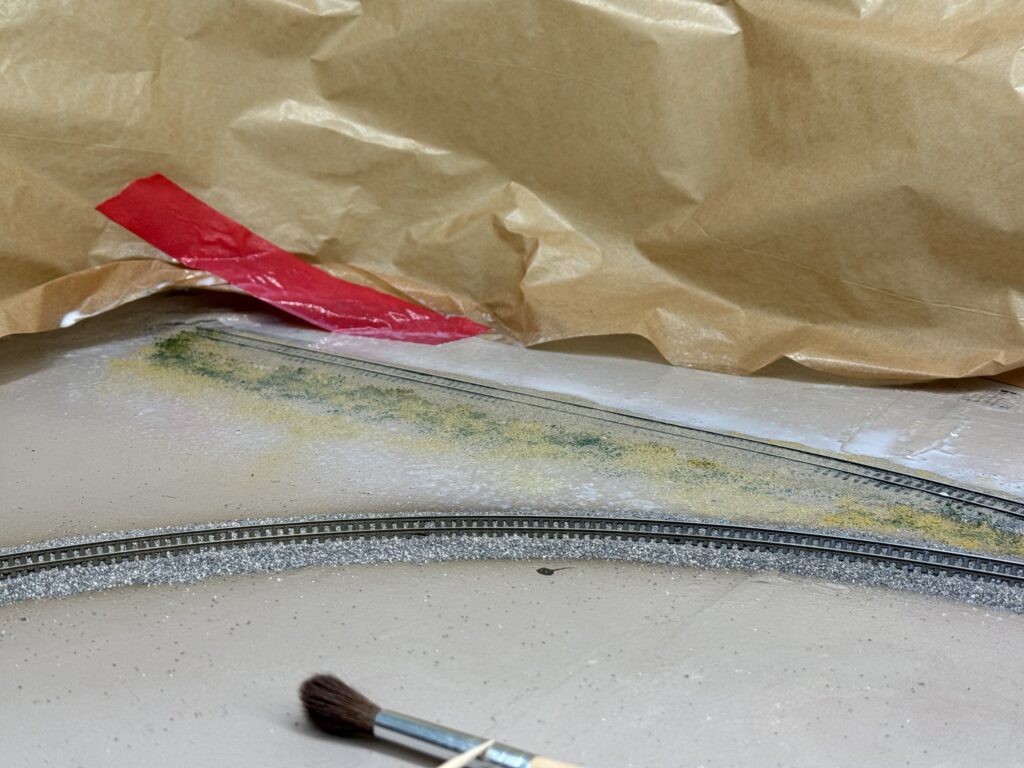
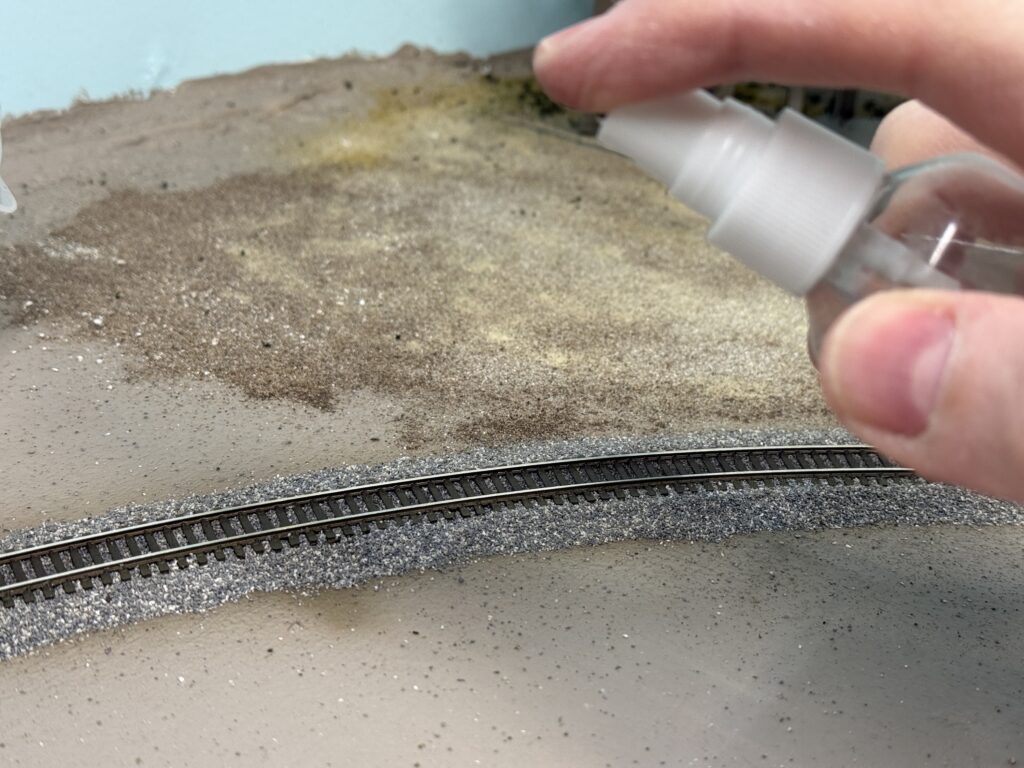
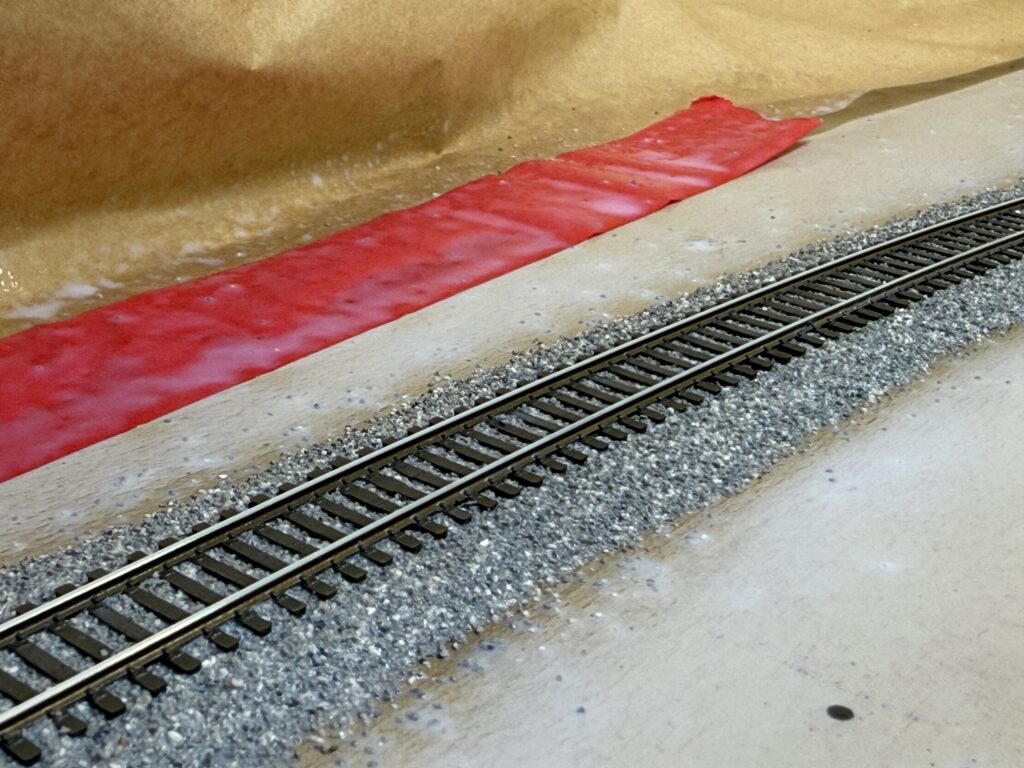
After the ballast was in place, I misted the tracks with a 40:60 mix of 99.9% isopropyl alcohol and water, letting it soak thoroughly. This helps break the water’s surface tension and allows the glue to penetrate the ballast. Once it was well soaked, I sprayed a 50:50 mix of water and Liquitex Matte Medium.

Track ballast misted with water and alcohol
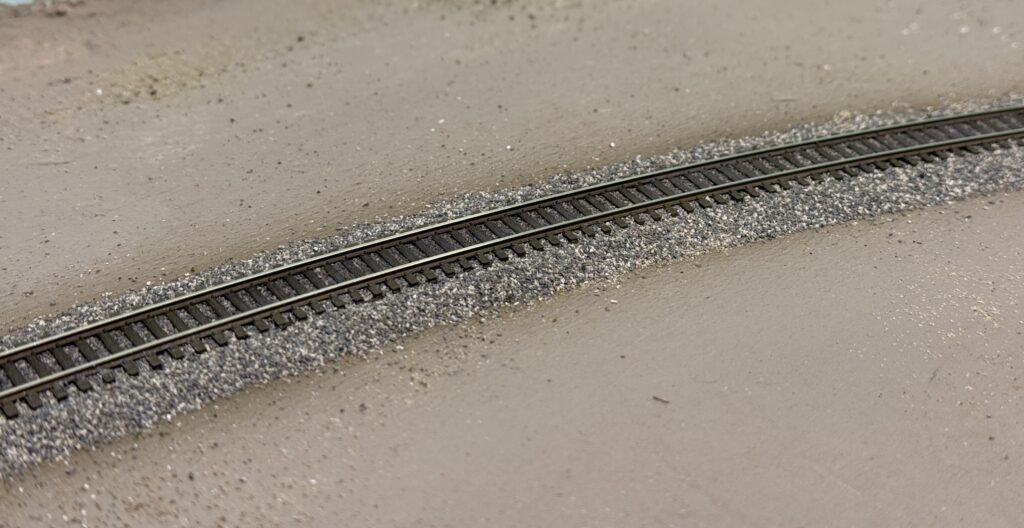
Ballasted track

At the ConRock Ready-Mix Cement Plant, I used some tan terrain material to slightly bury the track and give it a more realistic, dirt-embedded look.

Track buried in dirt

Track Weathering

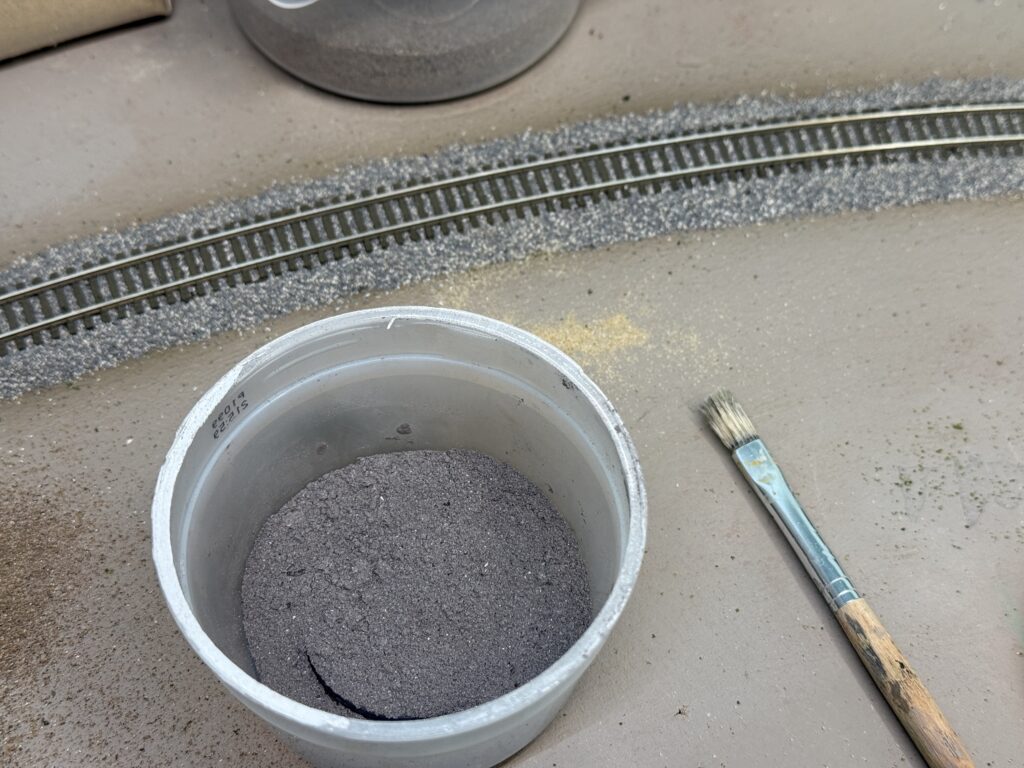
I weathered the area between the rails using a mix of plaster and black powdered pigments in a 2:1 ratio.

Weathering powder made of 2:1 plaster/black pigments

Then, I spread the mixture between the rails with a fairly stiff flat brush. Afterwards, I misted the area with water, which activated the plaster and sealed everything firmly in place.

Track ballast: weathering between the rails
Misting the weathering powder with water

Here is a photo of the weathered track after the plaster of Paris and pigment mix had fully dried.

Weathered track

Paint the track

Before ballasting, I usually paint the track with a brown-gray color.

I found a fifteen-year-old bottle of Polly Scale Railroad Tie Brown that I had used on my previous SP Coast Line layout to paint the track.

Paint the track
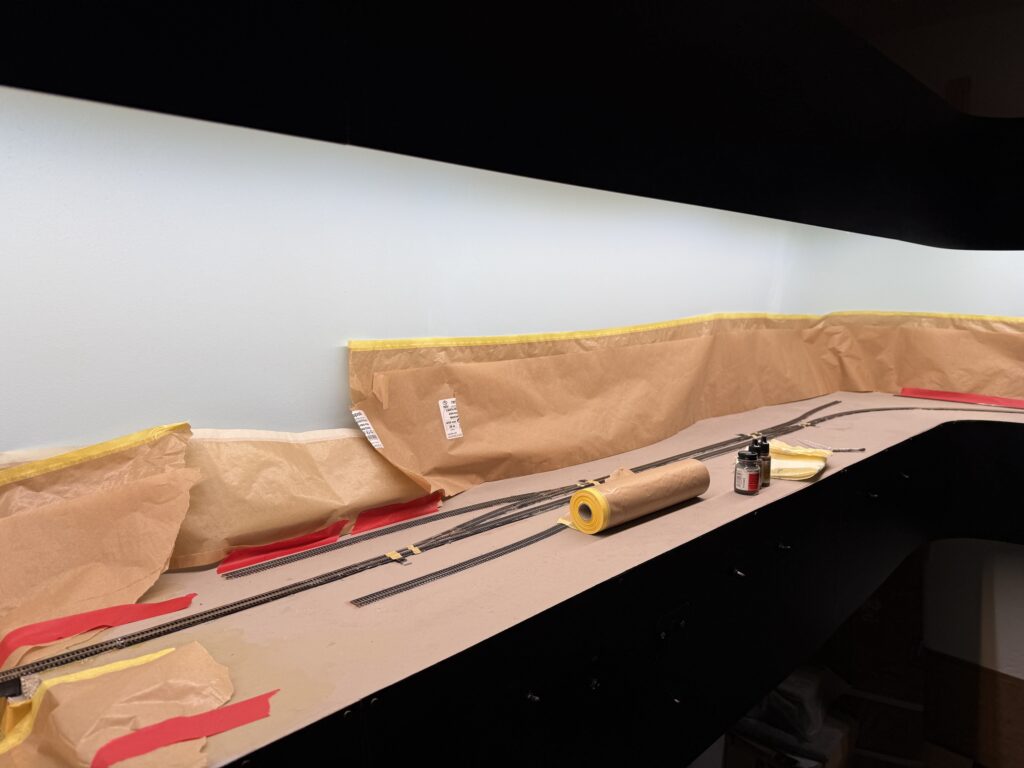
Paint the track: masking

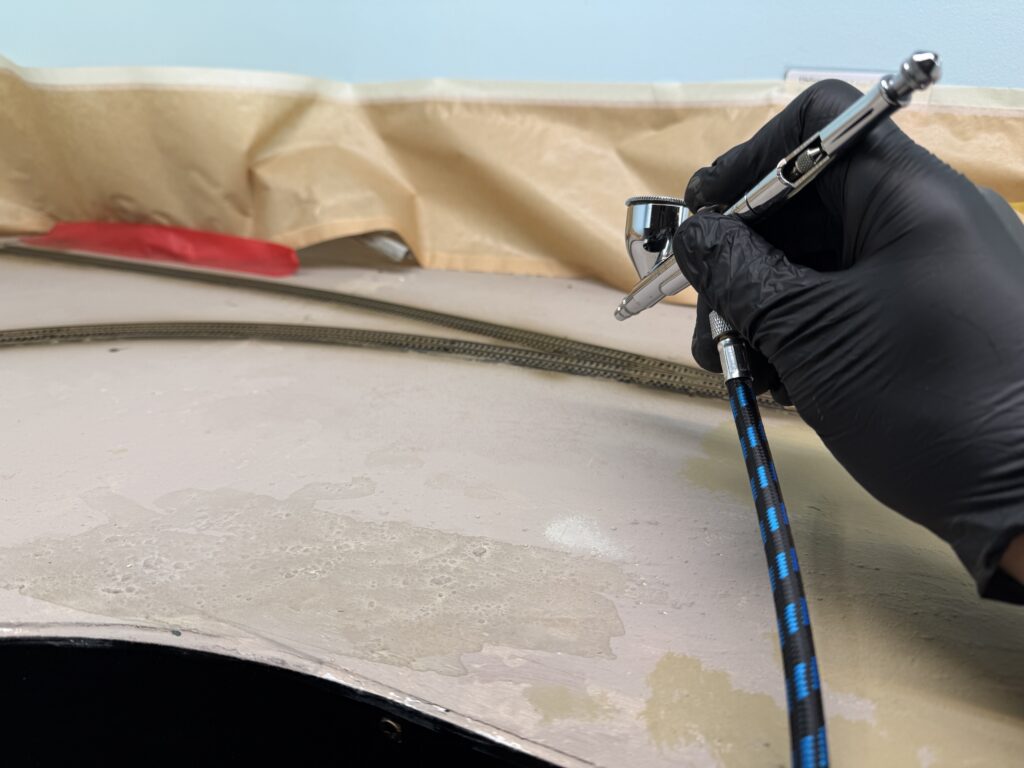
The paint had aged very well, so I was able to use it and airbrush it over all the tracks.

Paint the track with an airbrush

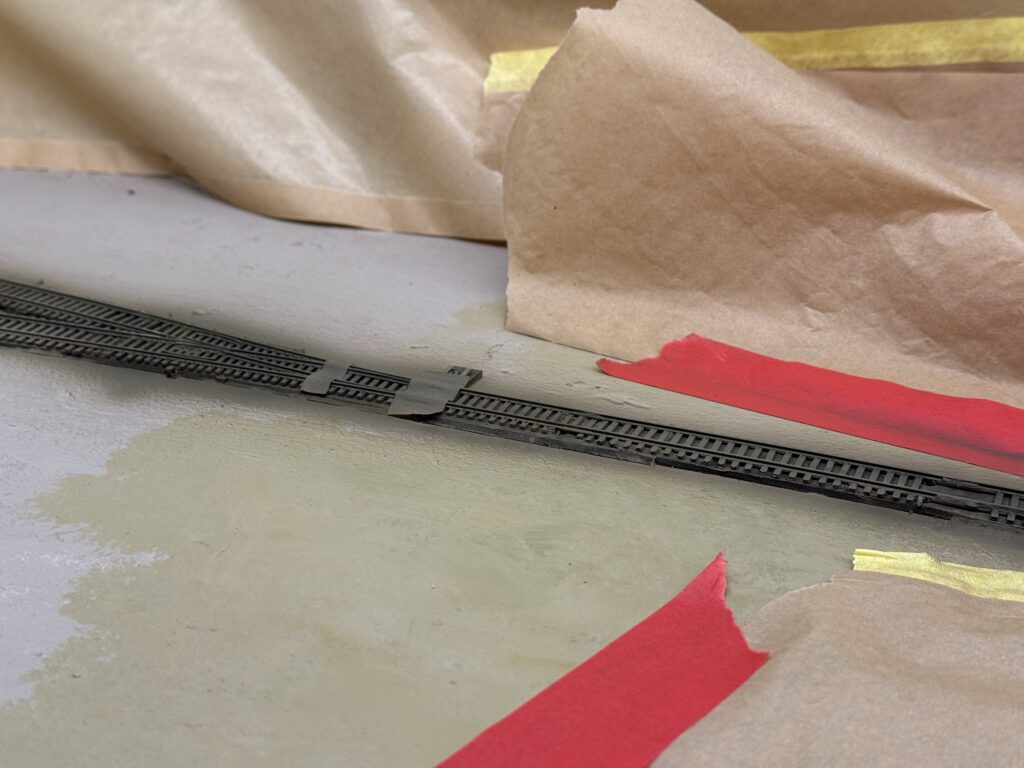
I masked the areas where the points hinge and where they touch the stock rails.

Masking the turnouts

Afterwards, I used a fine paintbrush to carefully paint the masked sections, making sure the paint did not interfere with electrical contact.

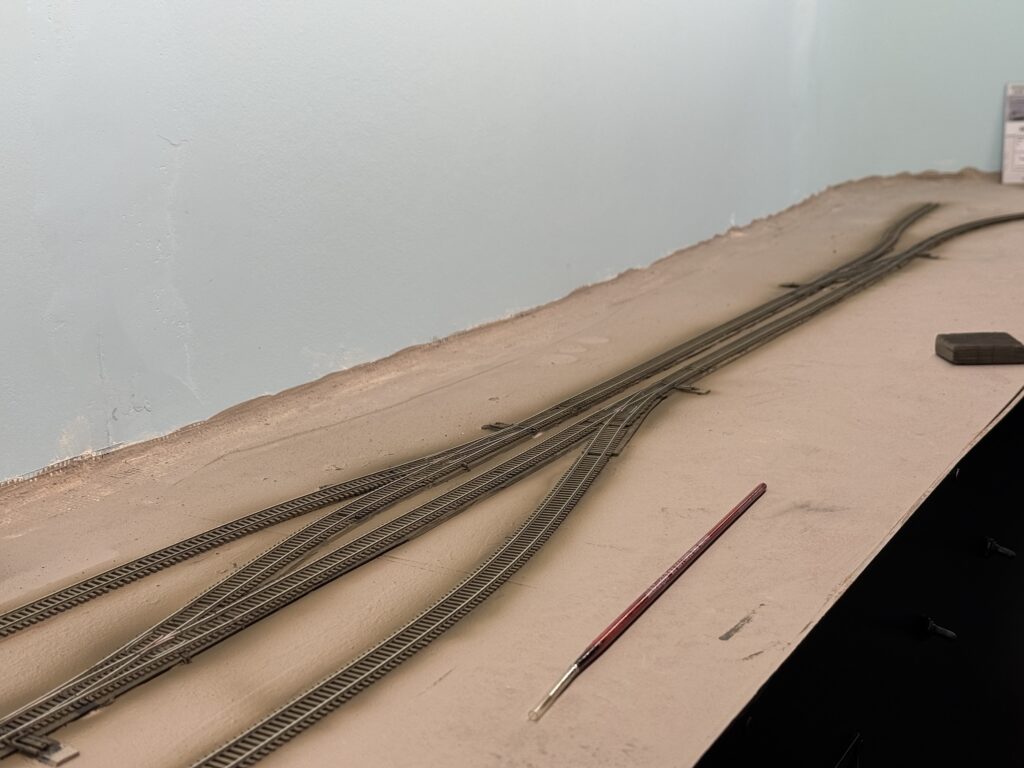
Track painted


A painted track makes a huge difference in the final appearance of a layout. Even a light coat of color immediately tones down the unrealistic shine of the raw plastic ties and the bright nickel-silver rails.

The Atlas code 55 ties, in particular, have a uniform brownish tone that looks toy-like until blended with a more natural brown-gray wash. Painting before ballasting gives the scene a visual foundation. Rails, ties, and ballast will later merge into a single, believable texture.

Once weathered and ballasted, the track will no longer stand out as a manufactured part, but rather blend seamlessly into the landscape, enhancing the realism of the entire scene.