Category: Preparation

The end of the Southern Pacific Burbank Branch N scale layout

I know it feels way too soon to end the Southern Pacific Burbank Branch N scale layout.

However, in August 2025 I came across an issue of Railroad Model Craftsman that I had not read yet. That issue featured Tom Johnson’s Cass County HO scale layout, and as soon as I finished the article, I was hooked.

So, I decided to switch to HO scale and create my own freelanced short line railroad. The decision to leave N scale was not easy, but several factors pushed me in that direction. First, I appreciate the overall reliability of HO track and rolling stock. Second, the larger scale is easier to work with, especially since my eyesight is not what it was twenty years ago. Finally, the sheer availability of HO scale products makes planning and building much simpler.

Buffalo Creek & Western

Then, I started planning an HO scale switching layout based on grain elevator operations in Montana in 1985. I did extensive research on short lines and grain traffic, and through that process I came up with the name Buffalo Creek & Western.
The end of the Southern Pacific Burbank Branch in N scale. Enter the Buffalo Creek & Western short line railroad in HO scale.

Sure, I enjoyed returning to the hobby in November 2024, and the Burbank Branch layout picked up right where I had left off in 2009 with my former SP Coast Line in N scale. I have always been a fan of the Espee and I probably always will, but I felt the need to work on something fresh.

Even though I have been a committed N scaler for decades, this time I wanted to give HO scale a serious try. So, I hosted a few operating sessions on the Burbank Branch and slowly refined the modeling skills that had been dormant for fifteen years.

Now, I feel ready to move on and start something new.
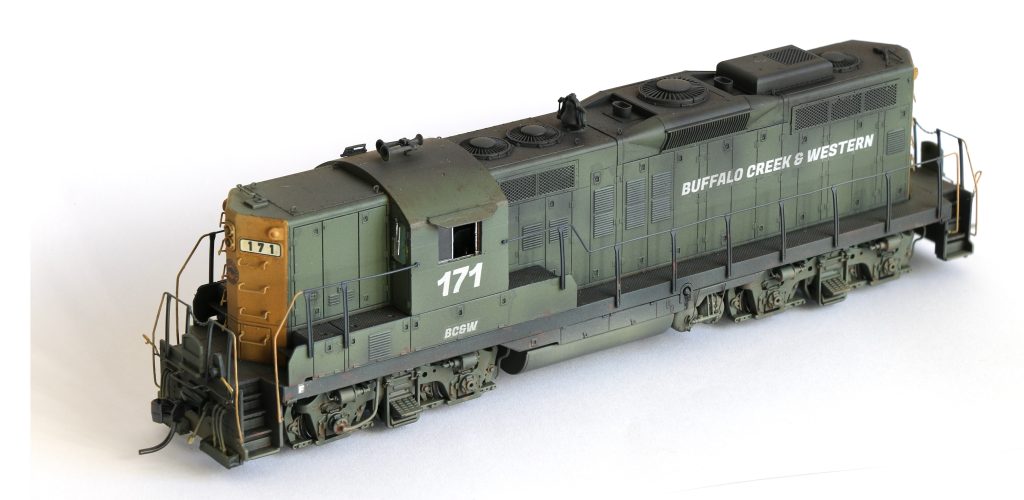
BC&W's GP9 #171, an Athearn Genesis HO scale model.

Here is the new BC&W blog, where I document the progress. There is also a YouTube channel.

So far, I have focused on rolling stock and structures. Soon, I will dismantle the Burbank Branch to make room for the Buffalo Creek & Western.
Finishing the layout space and new trackplan!

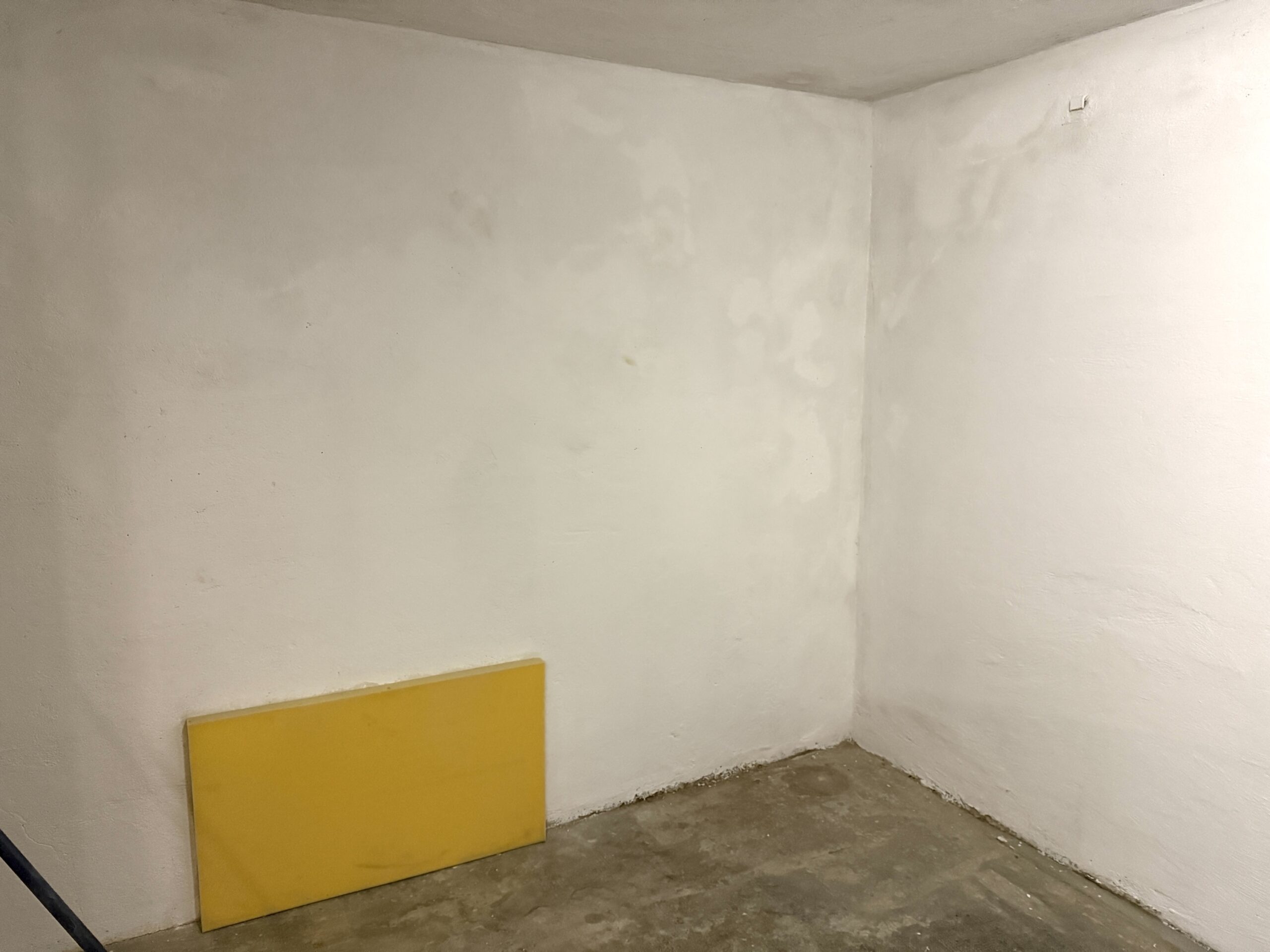
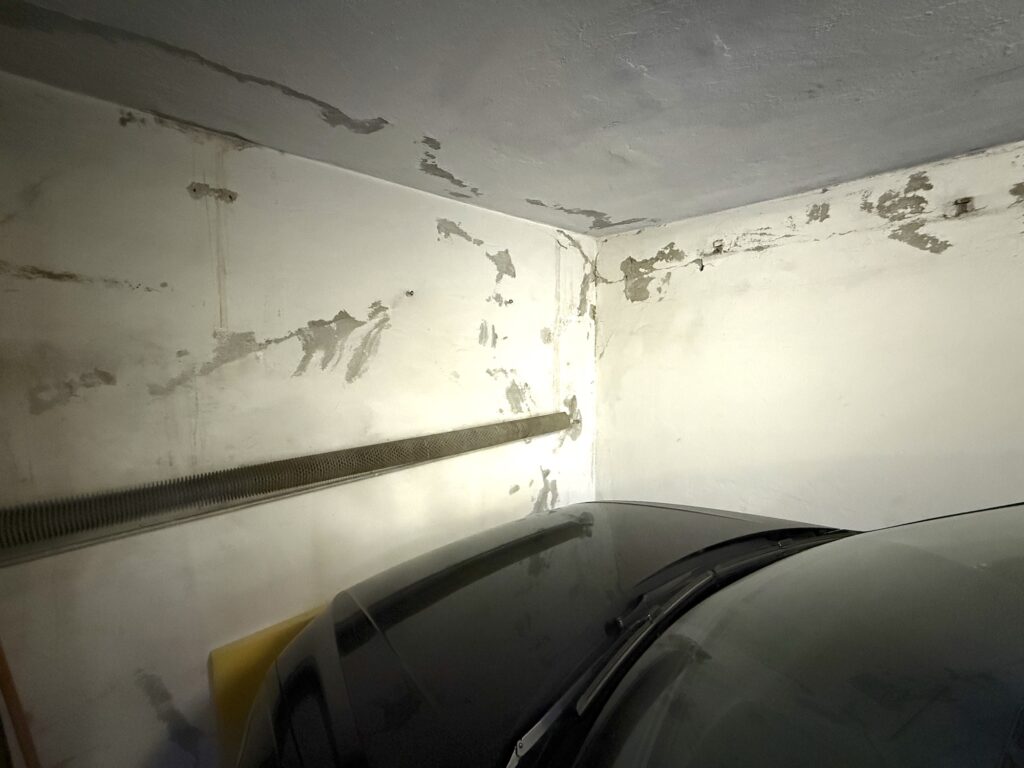
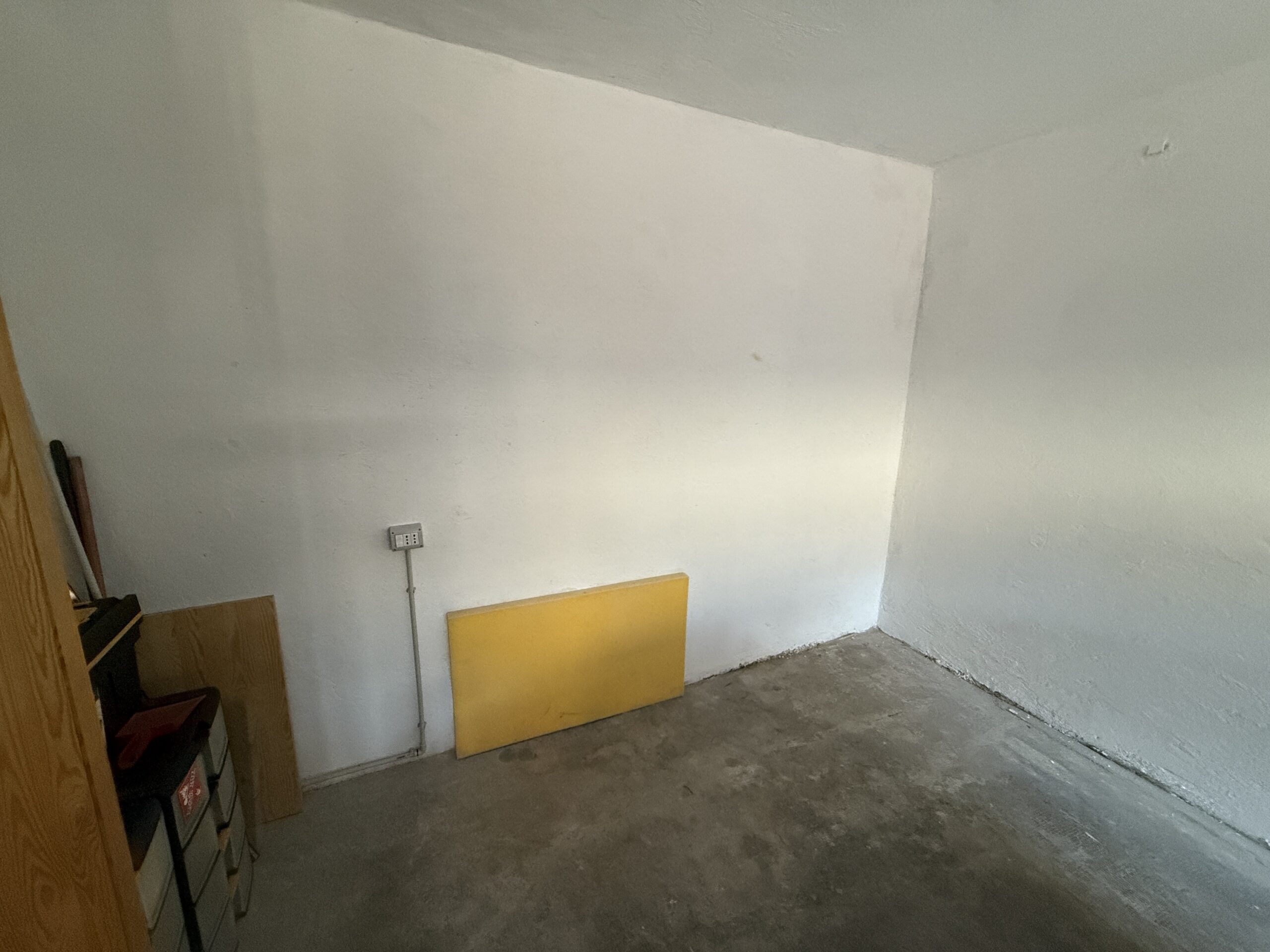
The garage has been renovated

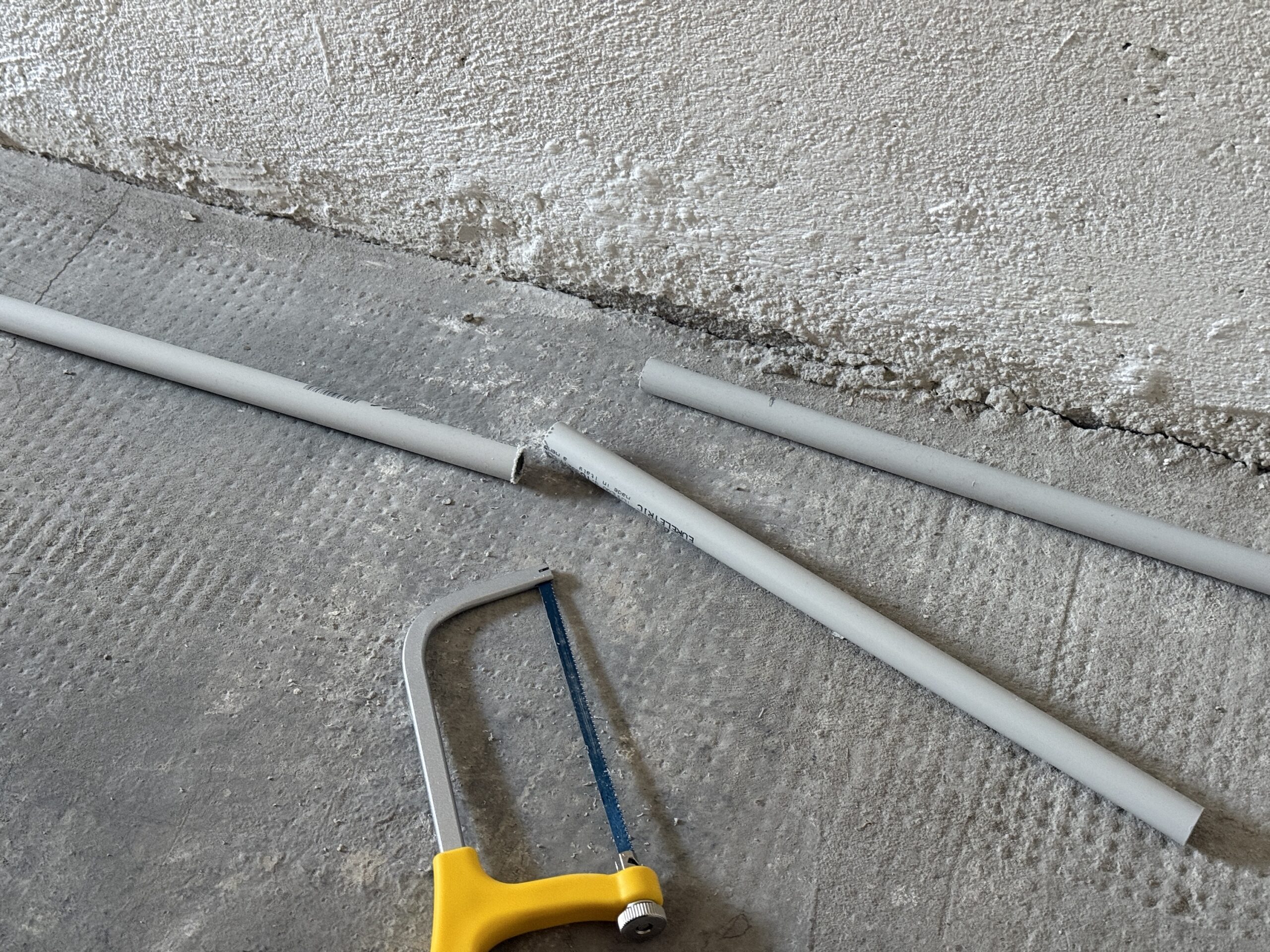
Finishing the layout space is essential before cutting a single piece of wood for the benchwork. With some concrete repairs and a fresh coat of paint, the old garage has been transformed into a refreshed space. The good news is that I managed to rearrange a few pieces of furniture and gain extra room for the layout! Check out the updated trackplan.

You can see the same space before the renovation work.

A garage isn’t the ideal space for a model railroad layout due to dust, temperature fluctuations, and humidity. However, when it’s the only option available, taking the right steps can make a big difference. By repairing concrete, applying fresh paint, and sealing gaps, I minimized dust and created a cleaner environment for the layout.

Preparing the space

Preparing the space of an old, neglected garage to accommodate a model railroad layout.

The only space I have for the layout is in my garage. It’s not much, especially compared to what I had in the late 2000s with my previous N scale layouts – a whole room of about 20 square meters (220 square feet), which is quite a lot when you live in Europe, where space is generally more compact compared to the United States.

The layout will be anchored to the wall, leaving enough space underneath for the car’s hood. The garage is part of a 1969-built condo located in a big city in southern Europe.

Heated car garage

At that time it wasn’t uncommon to have heated car garages, but nowadays nobody is willing to spend money in (rather expensive) energy just to keep the car warm during the harsh winters days. It’s also not the most environmentally friendly choice.

Thankfully, modern cars come with heated seats and steering wheels, making a warm garage unnecessary. This setup allows me to maximize space for the layout while still keeping the garage functional.

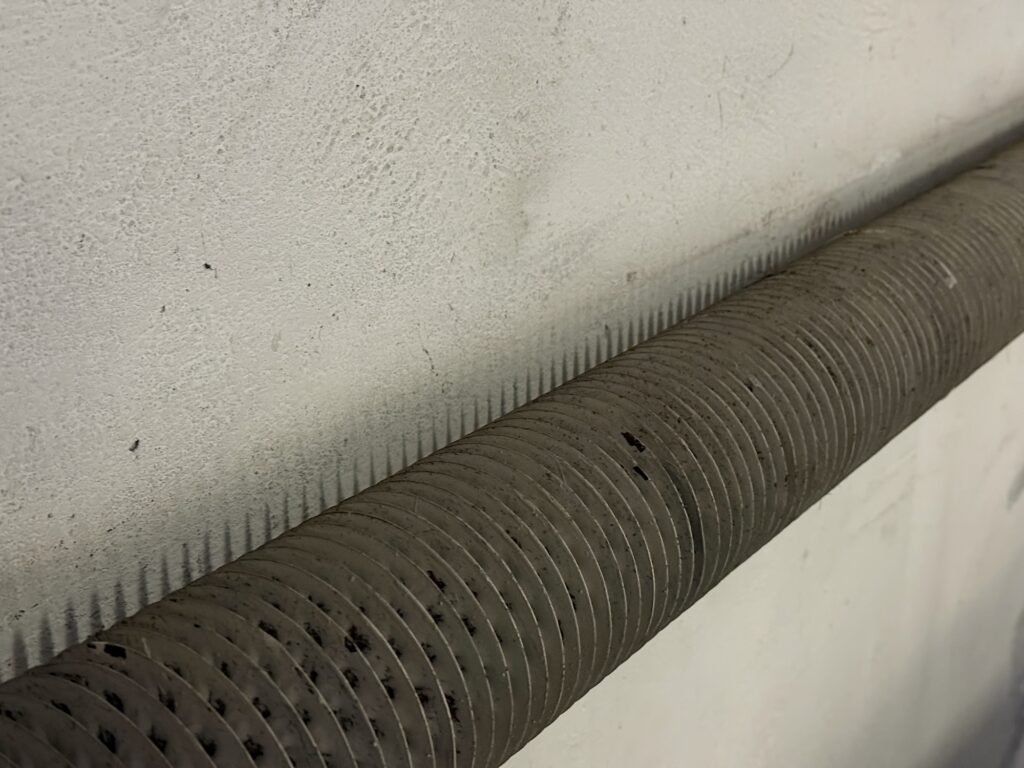
Garage heating radiator

The first thing to do is remove the radiator as it is right in the way of the layout. After that, the walls needs some minor repairs and a fresh coat of white paint.

Initial Considerations

A model railroad layout starts with a good plan

Given the limited space (an L-shaped shelf layout in a car garage), the track plan will focus on realistic operations rather than simply running trains for the sake of it. Selective compression is essential. I plan to model the most interesting industries along the branch line, compressing them into a small area to enhance operational appeal.

Realistic operations

I have always been a realistic operations modeler with my previous layouts, even though both were much larger (built in a 220 square feet room) and allowed for simply running a train from one end of the layout to the other. They all featured point-to-point operations and switching cars at industries along the main line.

Fewer operators

The layout will feature a limited number of engines and cars, with no more than two people operating at a time – which works perfectly for me. My time for the hobby is very limited, and I don’t anticipate hosting complex operating sessions.

The whole idea is to return to the hobby after a 15-year hiatus and enjoy every aspect: trackwork, scenery, building, weathering, and ultimately running trains and switching cars in a prototypical fashion.